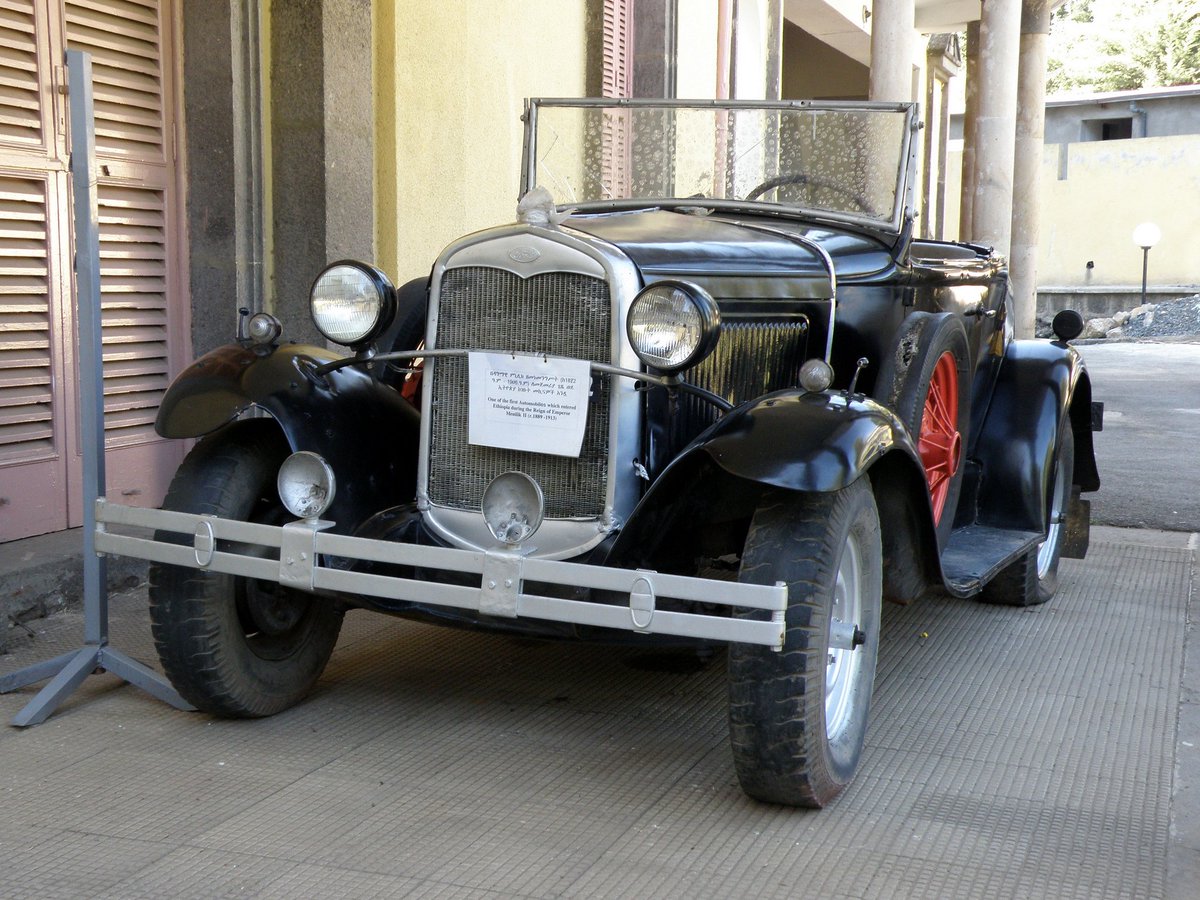
Ethiopia, known for its rich cultural heritage and rapidly growing economy, is experiencing significant changes in its transportation sector. As the country urbanizes and its middle class expands, the number of vehicles on its roads is increasing. Understanding the number of cars in Ethiopia in 2022 provides valuable insight into the country’s development and the challenges it faces in managing urban growth and transportation infrastructure.
The Growth of Car Ownership in Ethiopia
Over the past decade, Ethiopia has seen a steady rise in car ownership. This growth is driven by several factors:
- Economic Development: As Ethiopia’s economy grows, more people have the disposable income needed to purchase cars.
- Urbanization: The migration of people from rural areas to cities has increased the demand for personal vehicles.
- Infrastructure Improvements: Government investments in road networks and infrastructure have made car ownership more feasible and attractive.
Estimating the Number of Cars
Accurate data on the exact number of cars in Ethiopia can be challenging to obtain due to varying sources and methodologies. However, estimates from various governmental and international organizations provide a reasonable picture.
According to recent estimates, the number of registered vehicles in Ethiopia has been rising steadily. In 2022, it is estimated that there are over 1.2 million registered vehicles in the country. This figure includes not only passenger cars but also commercial vehicles, motorcycles, and other types of motorized transport.
Breakdown by Vehicle Type
To better understand the composition of Ethiopia’s vehicle fleet, it is helpful to look at the breakdown by vehicle type:
- Passenger Cars: Approximately 40% of the total registered vehicles are passenger cars. This means there are around 480,000 passenger cars in Ethiopia.
- Commercial Vehicles: Including trucks, buses, and taxis, commercial vehicles account for about 30% of the total, or around 360,000 vehicles.
- Motorcycles and Others: The remaining 30% comprises motorcycles and other types of vehicles, totaling around 360,000.
Challenges and Opportunities
Traffic Congestion
With the increase in the number of vehicles, particularly in major cities like Addis Ababa, traffic congestion has become a significant issue. The infrastructure, although improving, is often strained by the growing number of vehicles. This congestion can lead to longer commute times, increased fuel consumption, and higher levels of pollution.
Environmental Impact
The rising number of cars also has environmental implications. Increased vehicle emissions contribute to air pollution, which is a growing concern in urban areas. To address this, the Ethiopian government is exploring various strategies, including the promotion of electric vehicles and the implementation of stricter emission standards.
Road Safety
Another critical challenge is road safety. With more vehicles on the road, the likelihood of traffic accidents increases. Improving road safety through better infrastructure, public awareness campaigns, and stricter enforcement of traffic laws is essential.
Economic Opportunities
Despite these challenges, the growth in car ownership also presents significant economic opportunities. The automotive sector can create jobs, stimulate investment, and contribute to economic growth. Additionally, improving transportation infrastructure can enhance connectivity and support other sectors of the economy, such as tourism and trade.
Looking Ahead
As Ethiopia continues to develop, the number of cars on its roads will likely keep rising. Managing this growth sustainably is crucial. Policies that promote public transportation, improve road infrastructure, and encourage the use of environmentally friendly vehicles will be essential.
By addressing these challenges proactively, Ethiopia can harness the benefits of increased car ownership while mitigating the associated risks. The transportation sector will play a vital role in shaping the country’s future, driving economic growth, and improving the quality of life for its citizens.
Conclusion
In 2022, Ethiopia is home to an estimated 1.2 million registered vehicles, reflecting the country’s dynamic economic and social changes. While this growth presents several challenges, it also offers numerous opportunities for development. By focusing on sustainable and inclusive transportation policies, Ethiopia can ensure that its roads support a prosperous and healthy future for all its inhabitants.